Laparoscopic Cholecystectomy: A Patient’s Complete Guide to Gallbladder Stone Surgery
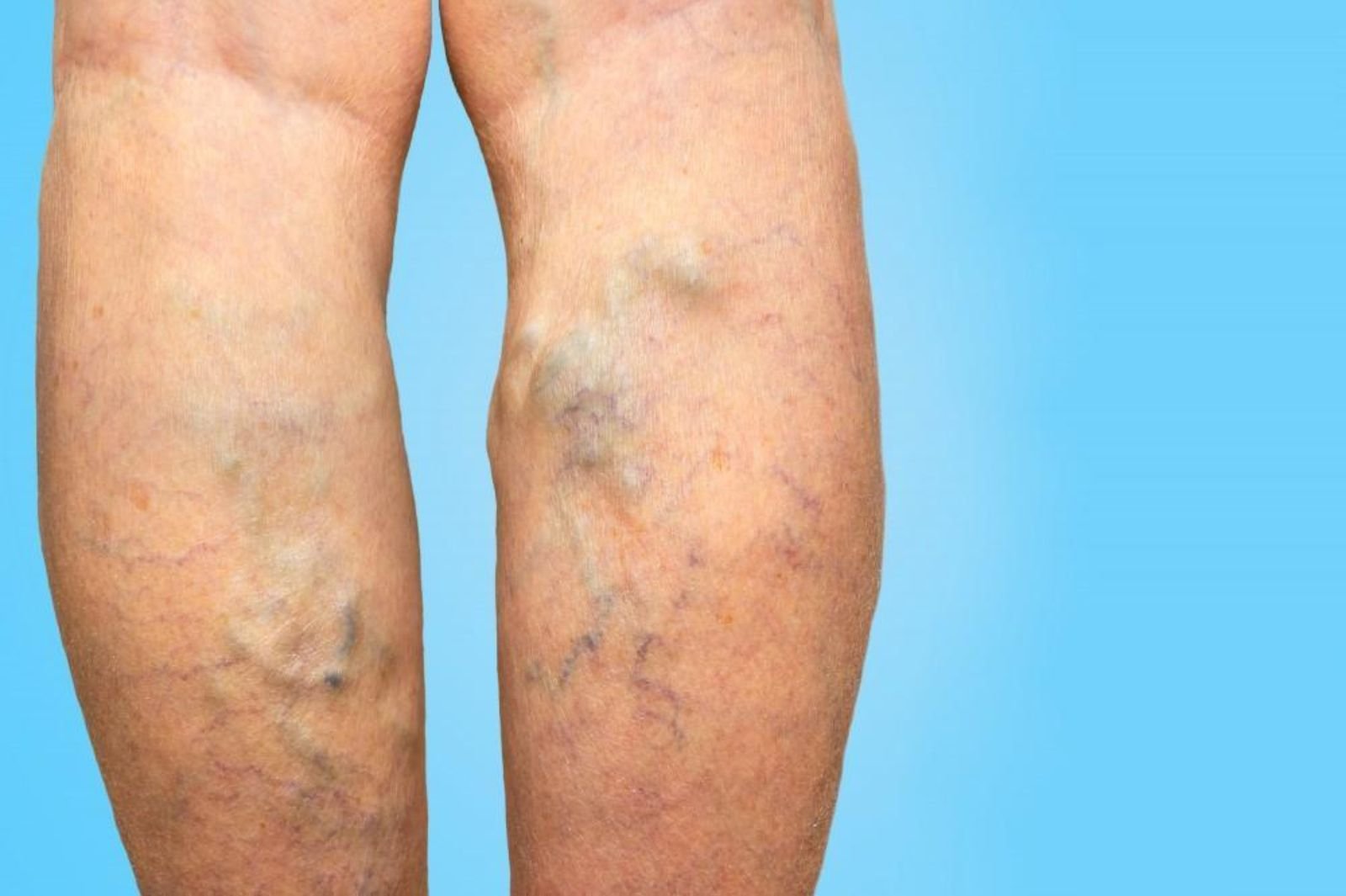
Varicose veins are a very common condition affecting both men and women, especially people who stand for long hours during work. Many patients ignore the condition initially, considering it only a cosmetic issue. However, untreated varicose veins can gradually lead to pain, swelling, skin changes, ulcers, and reduced quality of life.
The good news is that modern treatment options are highly effective and much less invasive than traditional surgery.
This guide explains varicose veins, their symptoms, causes, complications, and available treatment options in simple language.
What Are Varicose Veins?
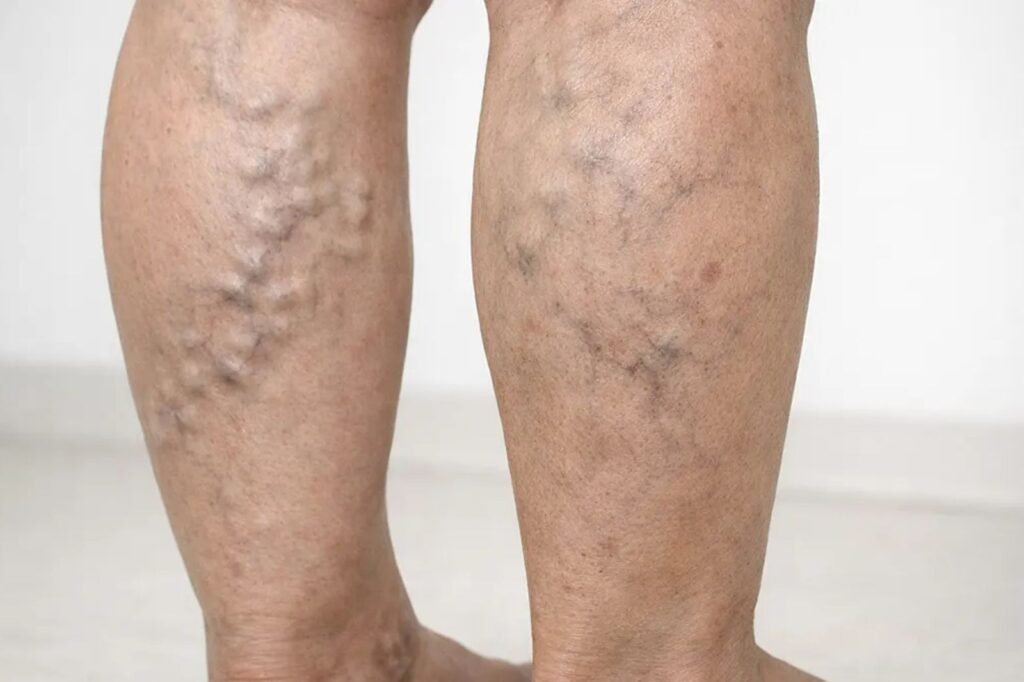
Varicose veins are enlarged, twisted, and swollen veins, usually seen in the legs.
Normally, veins contain one-way valves that help blood flow upward toward the heart. When these valves become weak or damaged, blood starts pooling inside the veins, causing them to enlarge and become visible.
Why Do Varicose Veins Occur?
Several factors increase pressure inside leg veins and contribute to valve weakness.
Common Risk Factors
Major Causes Include:
- Prolonged standing
- Sedentary lifestyle
- Obesity
- Pregnancy
- Aging
- Family history
- Chronic constipation
- Heavy lifting
- Previous leg injury or deep vein thrombosis (DVT)
- Professions involving long standing hours — such as teachers, surgeons, nurses, shopkeepers, factory workers, and security personnel — are commonly affected.
Common Symptoms of Varicose Veins
Patients May Experience:
- Visible enlarged veins in legs
- Leg heaviness
- Aching pain
- Swelling around ankles
- Burning sensation
- Itching over veins
- Muscle cramps at night
- Fatigue in legs after standing
Symptoms usually worsen by evening or after prolonged standing.
Advanced Symptoms and Complications
If untreated, varicose veins may lead to:
Complications Include:
- Skin discoloration
- Eczema around ankle
- Hardening of skin
- Bleeding from veins
- Venous ulcers (non-healing wounds)
- Superficial thrombophlebitis
- Recurrent swelling and pain
Early treatment helps prevent these complications.
How Are Varicose Veins Diagnosed?
Diagnosis usually includes:
- Clinical examination
- Venous Doppler ultrasound scan
A Doppler study helps identify:
- Damaged valves
- Reflux of blood
- Veins involved
- Presence of clots
This is essential for planning proper treatment.
Can Varicose Veins Be Treated Without Surgery?
Yes, early and mild cases may improve with conservative treatment.
Non-Surgical Management
1. Compression Stockings
Special stockings improve blood circulation and reduce swelling.
- Benefits
- Decrease leg discomfort
- Reduce swelling
- Improve circulation
They are often recommended in early disease or after procedures.
2. Lifestyle Changes
- Helpful Measures
- Weight reduction
- Regular walking
- Leg elevation
- Avoid prolonged standing
- Avoid sitting cross-legged for long periods
3. Exercise
Walking and calf muscle exercises improve venous blood flow.
When Is Procedure or Surgery Needed?
Treatment is advised when:
- Pain becomes persistent
- Swelling increases
- Skin changes develop
- Ulcers occur
- Cosmetic appearance affects confidence
- Conservative treatment fails
Modern Treatment Options for Varicose Veins
Modern treatment is minimally invasive and usually does not require large cuts.
1. Laser Treatment (EVLT / EVLA)
A laser fiber is inserted inside the affected vein to seal it from within.
Advantages
- Minimal pain
- No major cuts
- Faster recovery
- Early walking
- Excellent cosmetic results
This is one of the most commonly used modern treatments.
2. Radiofrequency Ablation (RFA)
Heat generated by radiofrequency energy closes the diseased vein.
Benefits
- Minimally invasive
- Less postoperative discomfort
- Quick recovery
3. Sclerotherapy
A special medicine is injected into smaller veins to close them.
Best For
- Small varicose veins
- Spider veins
4. Conventional Surgery
Traditional surgery may still be used in selected advanced cases.
Procedures may include:
- Vein ligation
- Vein stripping
Large incisions are less common today due to minimally invasive techniques.
Recovery After Varicose Vein Treatment
Most Patients:
- Walk immediately after treatment
- Go home the same day
- Resume routine work within a few days
- Compression stockings may be advised temporarily after procedures.
What Happens If Varicose Veins Are Ignored?
Untreated disease may progressively worsen and cause:
- Chronic pain
- Swelling
- Skin damage
- Venous ulcers
- Bleeding
- Reduced mobility
Early treatment provides better long-term outcomes.
Frequently Asked Questions (FAQs)
Are varicose veins dangerous?
Initially they may not be dangerous, but complications can occur if untreated.
Can medicines cure varicose veins?
Medicines may reduce symptoms but cannot permanently correct damaged valves.
Is laser treatment painful?
Most patients experience minimal discomfort.
Will veins come back after treatment?
New veins may develop over time if risk factors continue, but modern treatment significantly improves symptoms.
Can I walk after treatment?
Yes. Early walking is usually encouraged.
Prevention Tips
To Reduce Risk:
- Maintain healthy body weight
- Exercise regularly
- Avoid prolonged standing
- Elevate legs when resting
- Use compression stockings if advised
- Avoid smoking
When Should You Consult a Surgeon?
Consult a vascular or laparoscopic surgeon if you notice:
- Visible enlarged veins
- Leg swelling
- Skin darkening around ankle
- Persistent leg pain
- Non-healing ulcers
- Bleeding from veins
Early evaluation prevents complications and improves quality of life.
Final Words
Varicose veins are more than just a cosmetic issue. With modern minimally invasive treatments such as laser therapy and radiofrequency ablation, patients can achieve excellent relief with minimal pain and quick recovery.
Ignoring symptoms may lead to progressive disease and long-term complications. Early consultation and timely treatment can help you maintain healthy, pain-free legs.