Laparoscopic Cholecystectomy: A Patient’s Complete Guide to Gallbladder Stone Surgery
Piles, also known as haemorrhoids, are one of the most common conditions affecting adults. Many patients suffer silently due to embarrassment, fear of surgery, or misinformation. Fortunately, modern treatment options — both non-surgical and surgical — can provide excellent relief.
This guide explains piles in simple language, including symptoms, causes, prevention, and all available treatment options.
What Are Piles (Haemorrhoids)?
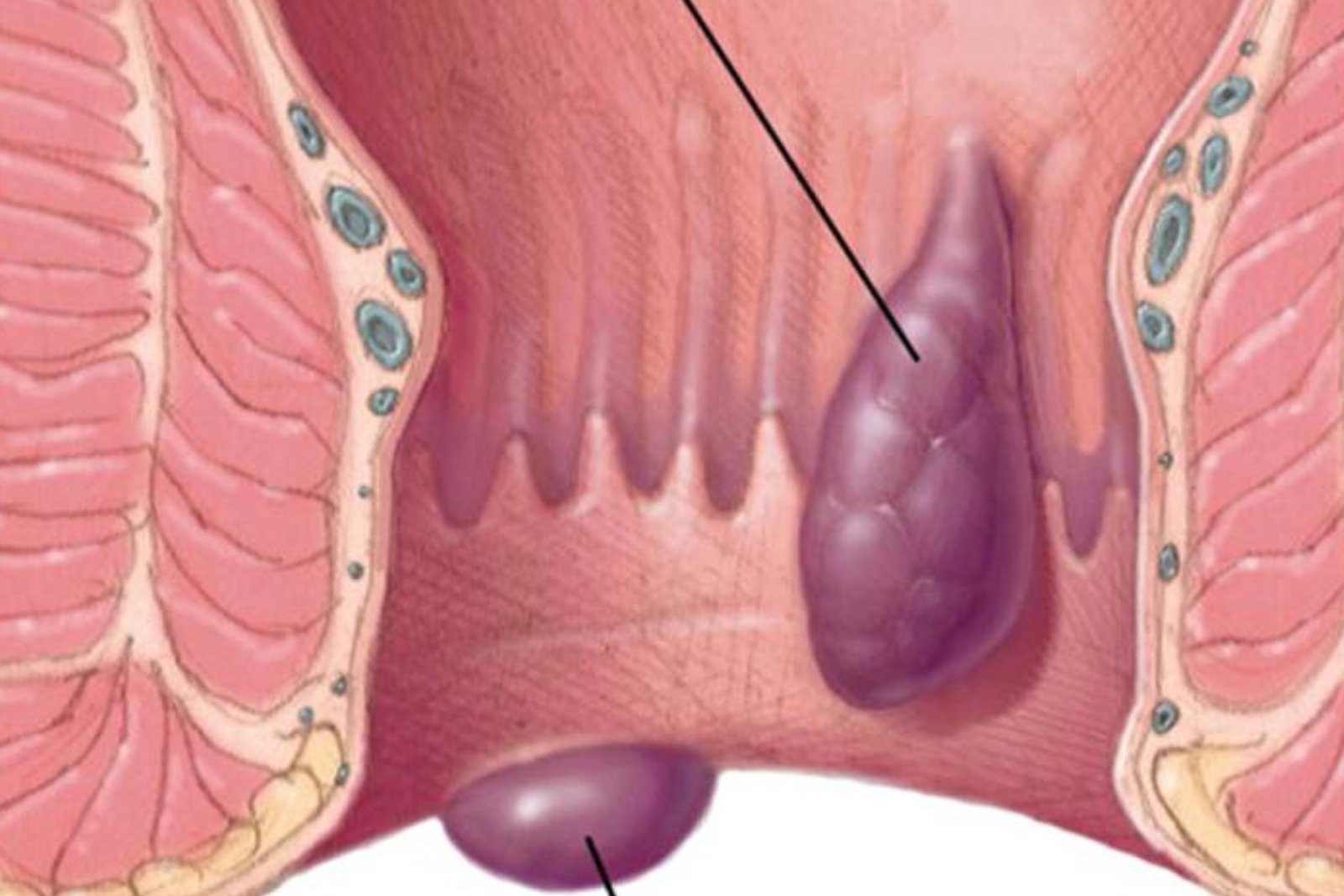
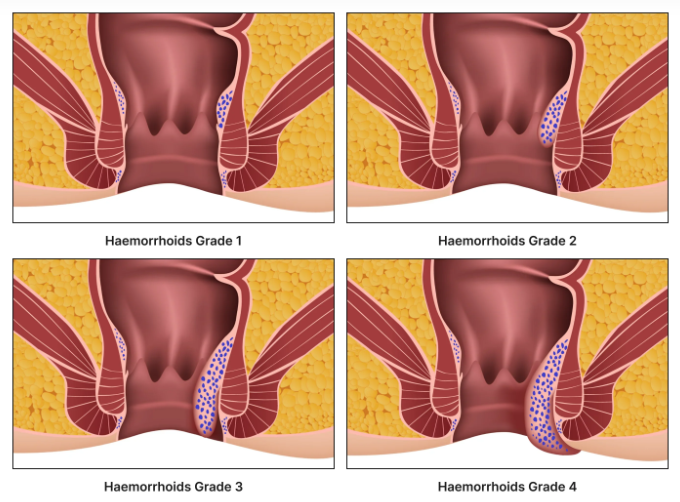
Piles are swollen veins in the lower rectum and anal canal, similar to varicose veins.
They develop due to increased pressure in the anal region and may cause bleeding, pain, swelling, or itching.
Types of Piles
1. Internal Piles
- Located inside the anal canal.
Usually cause:
- Bleeding during stool passage
- Prolapse (coming out during motion)
2. External Piles
Located outside the anus.
May cause:
- Pain
- Swelling
- Itching
- Difficulty sitting
Common Causes of Piles
- Chronic constipation
- Straining during stool passage
- Low-fiber diet
- Sitting for prolonged periods
- Obesity
- Pregnancy
- Chronic cough
- Heavy weight lifting
- Sedentary lifestyle
Common Symptoms of Piles
Patients May Experience:
- Bleeding during passing stool
- Pain while sitting or passing stool
- Itching around anus
- Swelling near anus
- Mucus discharge
- Feeling of incomplete evacuation
- Lump coming out during stool passage
Important Warning
- Not all bleeding per rectum is due to piles.
- Conditions like fissure, fistula, inflammatory bowel disease, polyps, or colorectal cancer can also cause bleeding.
- Proper medical examination is important.
How Are Piles Diagnosed?
Diagnosis is usually made by:
- Clinical examination
- Proctoscopy
- Occasionally colonoscopy in selected patients
Your surgeon decides the appropriate evaluation based on age and symptoms.
Non-Surgical Treatment of Piles
Many early-stage piles can be treated without surgery.
- Lifestyle and Dietary Changes
- Increase Fiber Intake
Eat:
- Fruits
- Vegetables
- Whole grains
- Oats
- Salads
- Fiber softens stool and reduces straining.
- Drink Plenty of Water
- Adequate hydration prevents constipation.
- Avoid Straining
- Do not sit for long periods in the toilet.
- Regular Exercise helps improve bowel movements and circulation.
Medicines for Piles
Commonly Used Treatments
- Stool softeners
- Fiber supplements
- Pain-relieving ointments
- Sitz bath (warm water bath)
- Anti-inflammatory medications
These help relieve symptoms but may not permanently cure advanced piles.
Office-Based Non-Surgical Procedures
1. Rubber Band Ligation
- A small rubber band is applied to internal piles to cut blood supply.
- Best For Grade 1 and Grade 2 piles
Advantages
- No major surgery
- Quick procedure
- Minimal downtime
2. Injection Sclerotherapy
Medicine is injected into piles to shrink them.
3. Infrared Coagulation
- Heat energy is used to shrink haemorrhoids.
- These procedures are useful in selected early cases.
When Is Surgery Needed?
Surgery is advised when:
- Bleeding is recurrent
- Piles prolapse permanently
- Severe pain develops
- Non-surgical treatment fails
- Large piles are present
- Recurrent thrombosis occurs
Surgical Treatment Options for Piles
Modern piles surgery is much more advanced and less painful than before.
1. Stapler Surgery for Piles (Stapled Hemorrhoidopexy)
- A circular stapling device is used to reposition and reduce blood flow to piles.
- Advantages
- Less postoperative pain
- Faster recovery
- Short hospital stay
Best For
Prolapsing internal piles
2. Laser Surgery for Piles
- Laser energy is used to shrink piles with minimal tissue damage.
- Advantages
- Minimal bleeding
- Less pain
- Faster recovery
- Early discharge
Important Note
Not every patient is suitable for laser surgery. Selection depends on grade and type of piles.
3. Conventional Open Hemorrhoidectomy
- The piles are surgically removed.
- Usually Preferred In:
- Large external piles
- Advanced mixed piles
- Recurrent disease
Though recovery may take slightly longer, it remains highly effective.
Recovery After Piles Surgery
Most Patients:
- Walk the same day
- Return home within 24 hours
- Resume routine activity within a few days
Temporary Symptoms May Include:
- Mild pain
- Burning sensation
- Slight bleeding during stool
- Swelling
These usually improve gradually.
Diet After Piles Treatment
Recommended
- High-fiber diet
- Plenty of fluids
- Fruits and vegetables
- Warm water
Avoid
- Constipation
- Excess spicy food
- Alcohol
- Long sitting in toilet
- Heavy straining
Can Piles Come Back?
Yes, recurrence can occur if constipation and lifestyle factors are not corrected.
Long-term prevention depends on:
- Healthy bowel habits
- Fiber-rich diet
- Weight control
- Regular exercise
Frequently Asked Questions (FAQs)
Is piles dangerous?
Most piles are not dangerous, but persistent bleeding should always be evaluated.
Can piles become cancer?
No. Piles themselves do not become cancer.
Is surgery very painful?
Modern techniques have significantly reduced postoperative pain.
Can medicines permanently cure piles?
Early mild piles may improve, but advanced piles often require procedures or surgery.
Is laser surgery the best option?
Laser is useful in selected patients but is not mandatory for every case.
When Should You Consult a Surgeon?
Consult early if you have:
- Bleeding during stool
- Persistent anal pain
- Swelling near anus
- Recurrent constipation
- Prolapse during motion
Early treatment prevents complications and improves quality of life.
Final Words
Piles are extremely common and treatable. There is no need to suffer silently or fear surgery. Modern treatment options — ranging from dietary management to advanced minimally invasive procedures — provide excellent outcomes with faster recovery.
Consulting an experienced colorectal or laparoscopic surgeon early can help determine the best treatment option for your condition.