Laparoscopic Cholecystectomy: A Patient’s Complete Guide to Gallbladder Stone Surgery
A swelling in the groin that increases while coughing, lifting weight, or standing for long periods may be due to an inguinal hernia. Hernias are common, especially in men, and usually require surgery for permanent treatment.
Modern laparoscopic techniques now allow hernia repair with less pain, faster recovery, and earlier return to normal activities.
This guide explains inguinal hernia and its treatment in simple patient-friendly language.
What Is an Inguinal Hernia?
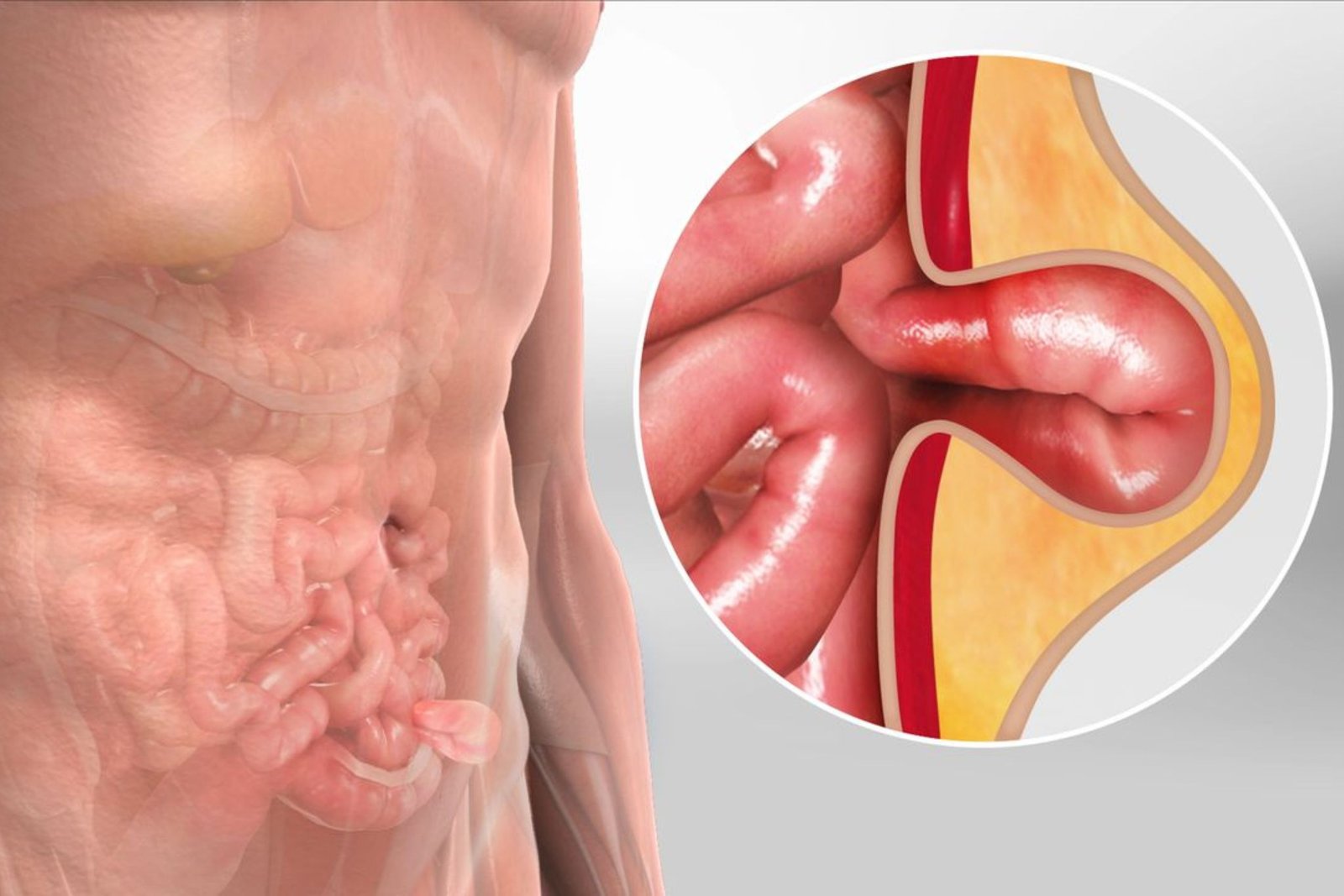
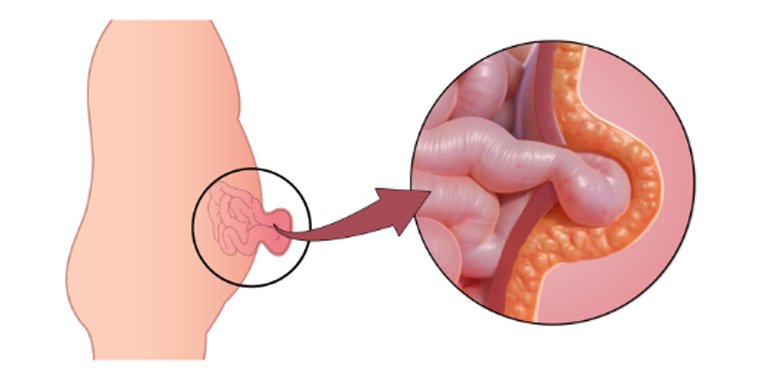
An inguinal hernia occurs when a portion of intestine or abdominal fat protrudes through a weak area in the lower abdominal wall near the groin.
It appears as a swelling or bulge in the groin region and may increase during coughing, standing, or straining.
Why Does an Inguinal Hernia Occur?
Hernias develop due to weakness in the abdominal muscles combined with increased abdominal pressure.
Common Risk Factors
- Heavy lifting
- Chronic cough
- Constipation and straining
- Obesity
- Smoking
- Aging
- Previous abdominal surgery
- Family history
- Enlarged prostate causing straining during urination
- Some patients are born with a naturally weak area in the groin.
Common Symptoms of Inguinal Hernia
Patients Often Experience:
- Swelling in the groin
- Discomfort or dragging sensation
- Pain while coughing or lifting weight
- Swelling increasing on standing
- Relief while lying down
Some hernias may remain painless initially.
When Does Hernia Become Dangerous?
A hernia can become serious if the intestine gets trapped inside it.
This is called:
- Incarcerated hernia – trapped hernia
- Strangulated hernia – blood supply gets cut off
This becomes a surgical emergency.
Emergency Warning Signs
Seek immediate medical attention if you develop:
- Severe groin pain
- Swelling becoming hard and irreducible
- Redness over swelling
- Vomiting
- Abdominal distension
- Fever
Delayed treatment may lead to intestinal damage.
Can Medicines Cure Hernia?
No.
Medicines, exercises, belts, or home remedies cannot permanently cure a hernia.
The only definitive treatment is surgical repair.
What Is Inguinal Hernia Surgery?
Hernia surgery involves pushing the protruding tissue back inside the abdomen and strengthening the weak area using a surgical mesh.
The operation is called Hernioplasty or Hernia Repair Surgery.
Types of Inguinal Hernia Surgery
1. Laparoscopic Hernia Surgery (Keyhole Surgery)
This is the modern minimally invasive technique.
How It Is Done
- Small cuts are made in the abdomen
- A camera and instruments are inserted
- The hernia is repaired from inside
- A mesh is placed to strengthen the abdominal wall
Advantages
- Less pain
- Faster recovery
- Smaller scars
- Early return to work
- Better visualization
- Useful for bilateral hernias
2. Open Hernia Surgery
In this method, a single incision is made in the groin and mesh is placed externally.
It is still effective and may be preferred in selected patients.
What Is Surgical Mesh?
- Mesh is a soft medical-grade material used to reinforce the weak abdominal wall.
- Modern meshes are safe and widely used worldwide.
- Mesh repair significantly reduces recurrence rates.
Is Hernia Surgery Safe?
Yes.
Inguinal hernia surgery is one of the most commonly performed and safest surgeries.
However, as with any operation, some complications can occur.
Possible Risks and Complications
Potential Complications Include:
- Pain
- Bleeding
- Infection
- Fluid collection (seroma)
- Recurrence of hernia
- Urinary retention
- Rare injury to surrounding structures
- Serious complications are uncommon in experienced hands.
Recovery After Hernia Surgery
Most Patients:
- Walk within hours
- Start oral intake early
- Go home the same day or next day
- Resume routine activities quickly
Approximate Recovery Timeline
Activity Time
- Walking Same day
- Office work 3–7 days
- Driving About 1 week
- Heavy lifting 4–6 weeks
Recovery depends on age, health condition, and type of surgery.
What Should You Avoid After Surgery?
For a few weeks:
- Avoid heavy lifting
- Avoid constipation
- Stop smoking
- Avoid strenuous gym activity
Following your surgeon’s advice helps prevent recurrence.
Frequently Asked Questions (FAQs)
Can a hernia heal on its own?
No. Hernias do not disappear without surgery.
Is hernia surgery painful?
Pain is usually mild to moderate and manageable with medicines.
Will there be large scars?
Laparoscopic surgery leaves only tiny scars.
How long is hospital stay?
Most patients are discharged within 24 hours.
Can both sides be repaired together?
Yes. Bilateral hernias can often be repaired simultaneously laparoscopically.
When Should You Consult a Surgeon?
Consult early if you notice:
- Groin swelling
- Pain during lifting or coughing
- Increasing size of swelling
- Discomfort affecting daily life
Early surgery prevents emergency complications.
Final Words
Inguinal hernia is a common and treatable condition. Delaying surgery may increase the risk of complications such as intestinal obstruction or strangulation.
Laparoscopic hernia surgery offers excellent results with minimal pain, quick recovery, and early return to normal life.
Timely consultation with an experienced laparoscopic surgeon ensures safe treatment and long-term relief.