Piles (Haemorrhoids): A Complete Patient Guide to Non-Surgical and Surgical Treatment
A hernia may begin as a small swelling or mild discomfort, but it can gradually become more noticeable and affect everyday activities. Many people initially ignore a hernia because the symptoms may not seem serious. However, timely medical evaluation can help determine the type of hernia, its severity and whether surgical treatment may be appropriate.
If you are searching for the best hernia surgeon in Dum Dum, choosing a surgeon should involve more than looking at online rankings. Relevant surgical experience, careful diagnosis, appropriate treatment planning and clear communication are all important factors. Dr. Soumya Banerjee follows a patient-focused approach to help individuals understand their condition and make informed decisions about treatment.
What Is a Hernia?
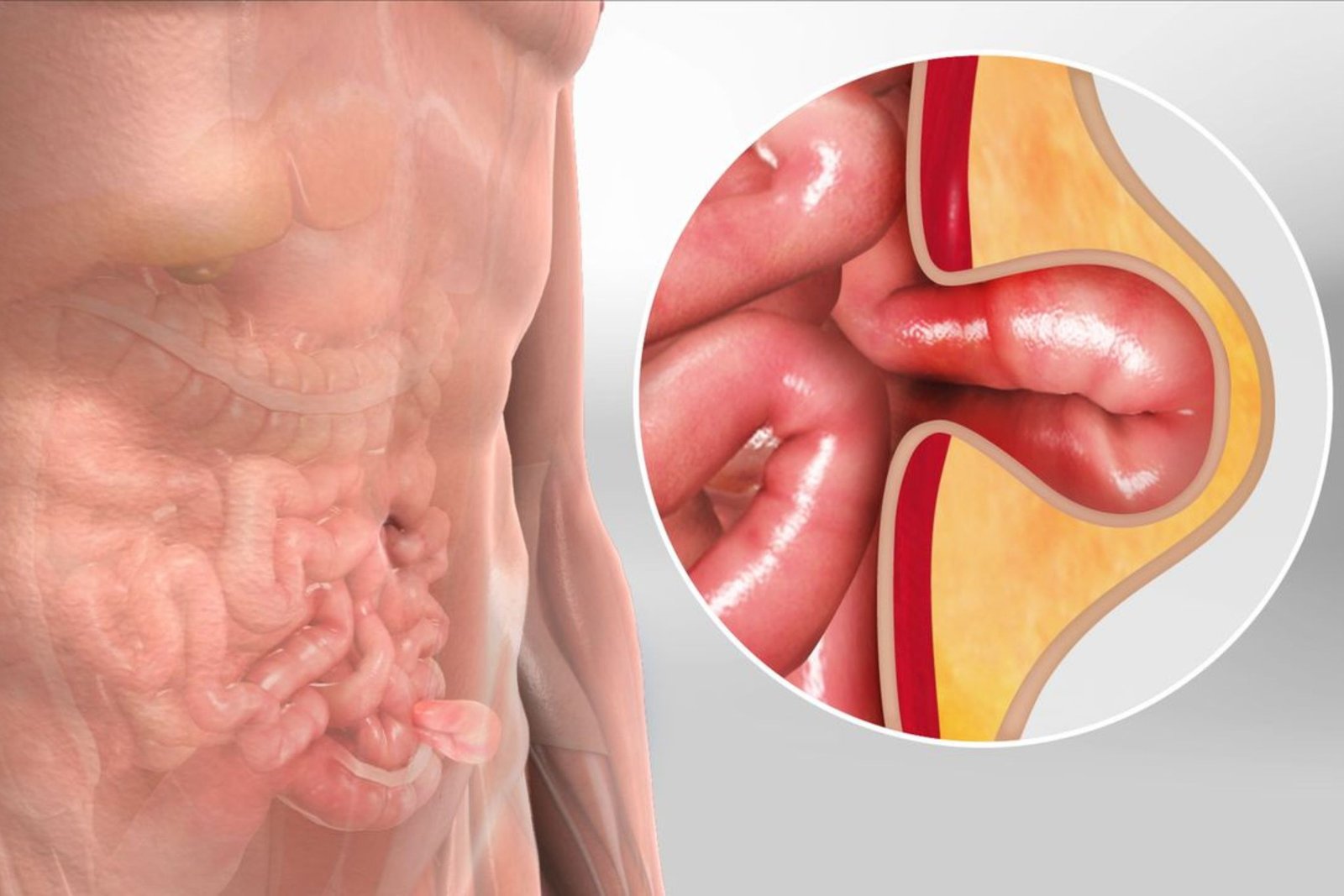
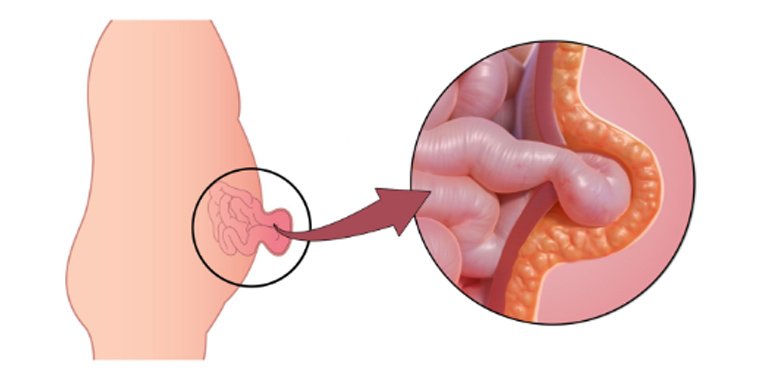
A hernia occurs when an internal organ or tissue pushes through a weakened area in the surrounding muscle or connective tissue. It commonly appears as a visible or palpable bulge, particularly when standing, coughing or straining.
Common types include:
- Inguinal hernia: Occurs in the groin and is one of the most common types.
- Umbilical hernia: Develops around the belly button.
- Incisional hernia: Can occur through or near a previous surgical incision.
- Femoral hernia: Develops in the upper thigh or groin area.
- Epigastric hernia: Occurs through the abdominal wall between the breastbone and the navel.
The symptoms and treatment approach can vary depending on the location and characteristics of the hernia.
Common Symptoms of a Hernia
A hernia may cause a noticeable lump or swelling that becomes more prominent when coughing, lifting something heavy or standing for a prolonged period.
Other symptoms can include:
- Discomfort or pain at the site of the hernia
- A feeling of pressure or heaviness
- Pain while lifting, coughing or straining
- A swelling that changes in size with movement or position
- Abdominal or groin discomfort
Some hernias may initially cause very few symptoms. This does not necessarily mean that they should be ignored.
When Should You Consult a Hernia Surgeon?
If you notice a new lump or swelling in your abdomen or groin, getting it evaluated by a qualified surgeon is advisable. A clinical examination can help determine whether the swelling is a hernia and whether further investigations are necessary.
Urgent medical attention may be required if a hernia becomes suddenly very painful, firm or difficult to push back, particularly when accompanied by vomiting, abdominal swelling or difficulty passing stool or gas. These symptoms can indicate a complication and should not be ignored.
Does Every Hernia Require Surgery?
Treatment depends on the type of hernia, its symptoms, size, risk factors and overall health of the patient.
Some hernias may initially be monitored in selected circumstances, while others may require surgical repair. Surgery is often considered when a hernia causes persistent symptoms, increases in size or has a risk of complications.
A surgeon should evaluate the individual patient before recommending a particular treatment approach.
Hernia Surgery: What Patients Should Know
Hernia repair aims to strengthen the weakened area of the abdominal wall and prevent the hernia from protruding.
Depending on the type and circumstances of the hernia, repair may be performed using an open or minimally invasive surgical approach. The choice depends on factors such as the location and size of the hernia, previous operations, overall health and the surgeon’s assessment.
Patients should discuss the expected benefits, potential risks, recovery period and suitable surgical options with their surgeon before proceeding.
How to Choose the Best Hernia Surgeon in Dum Dum
If you are searching for the best hernia surgeon in Dum Dum, consider these factors before making a decision:
Relevant surgical experience
Choose a surgeon with appropriate experience in evaluating and treating different types of hernias.
Thorough assessment
A proper diagnosis is essential before deciding whether surgery is necessary and which surgical approach may be suitable.
Personalised treatment planning
Every patient has different medical circumstances. A treatment plan should be based on individual needs rather than a standard approach.
Clear communication
Your surgeon should explain the condition, treatment options, expected recovery and possible risks in a way that you can understand.
Follow-up care
Postoperative guidance and follow-up are important parts of the overall treatment process.
Don’t Ignore a Persistent Bulge
One of the most common mistakes patients make is waiting until a hernia becomes painful before seeking medical advice. A painless or mildly uncomfortable swelling can still require evaluation.
If you notice a persistent lump in your groin, abdomen or around your navel, consider consulting a qualified surgeon. Early assessment can help you understand the condition and the available treatment options.
Consult Dr. Soumya Banerjee
Dr. Soumya Banerjee takes a patient-centred approach to surgical care, with an emphasis on understanding each patient’s condition and discussing appropriate treatment options.
If you are looking for the best hernia surgeon in Dum Dum, consider factors such as relevant surgical expertise, diagnostic approach, treatment planning, communication and follow-up care rather than relying solely on online rankings.
A hernia may be manageable, but it should not be ignored. The right treatment begins with an accurate diagnosis and an informed decision.
Frequently Asked Questions
Can a hernia heal on its own?
A hernia generally does not repair itself permanently. Whether treatment or surgery is required depends on the type, symptoms and individual circumstances.
Is hernia surgery always necessary?
Not every hernia requires immediate surgery. A surgeon can assess your condition and determine whether monitoring or surgical repair is appropriate.
Is minimally invasive hernia surgery suitable for everyone?
Not necessarily. The appropriate surgical technique depends on the type of hernia, medical history and other individual factors.
How do I choose the best hernia surgeon in Dum Dum?
Consider the surgeon’s relevant experience, approach to diagnosis, treatment options, communication and postoperative care. Your individual medical needs should be the primary consideration.