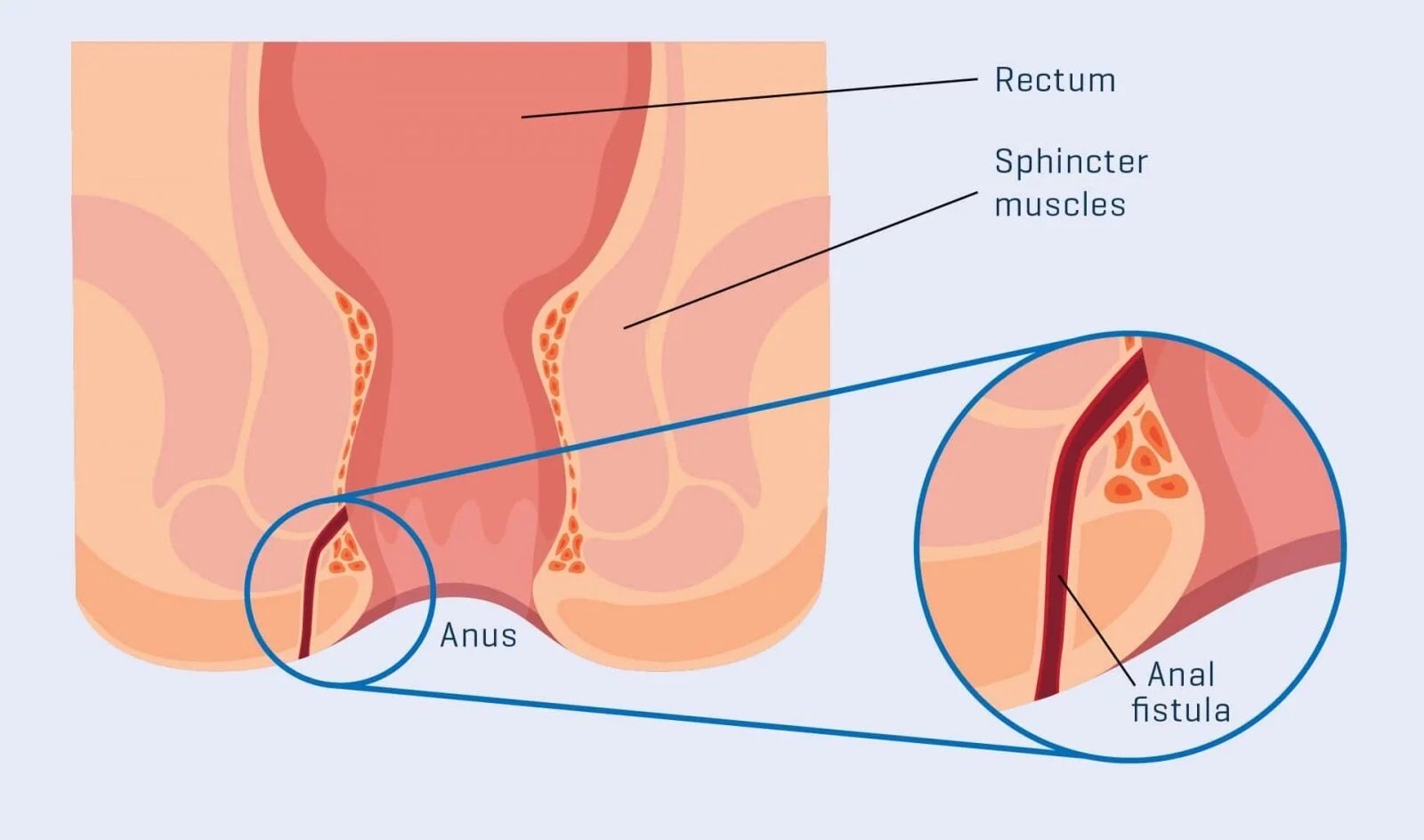
Anal fistula is a painful and often distressing condition that can significantly affect daily life, causing discomfort, swelling, discharge, and repeated infections around the anal region. Many patients delay seeking medical attention due to embarrassment or fear of surgery, but early diagnosis and proper treatment are essential to avoid complications and long-term discomfort. If you are searching for the best fistula surgeon in Kolkata, the best fistula specialist in Kolkata, or the best fistula treatment in Kolkata, expert surgical care can make a lasting difference in recovery and quality of life.
Dr. Soumya Banerjee is a highly experienced General and Laparoscopic Surgeon dedicated to providing advanced surgical care with precision, compassion, and a patient-first approach. Known for his ethical treatment methods, accurate diagnosis, and use of modern minimally invasive techniques, Dr. Banerjee offers comprehensive care for fistula management, helping patients recover safely and comfortably.
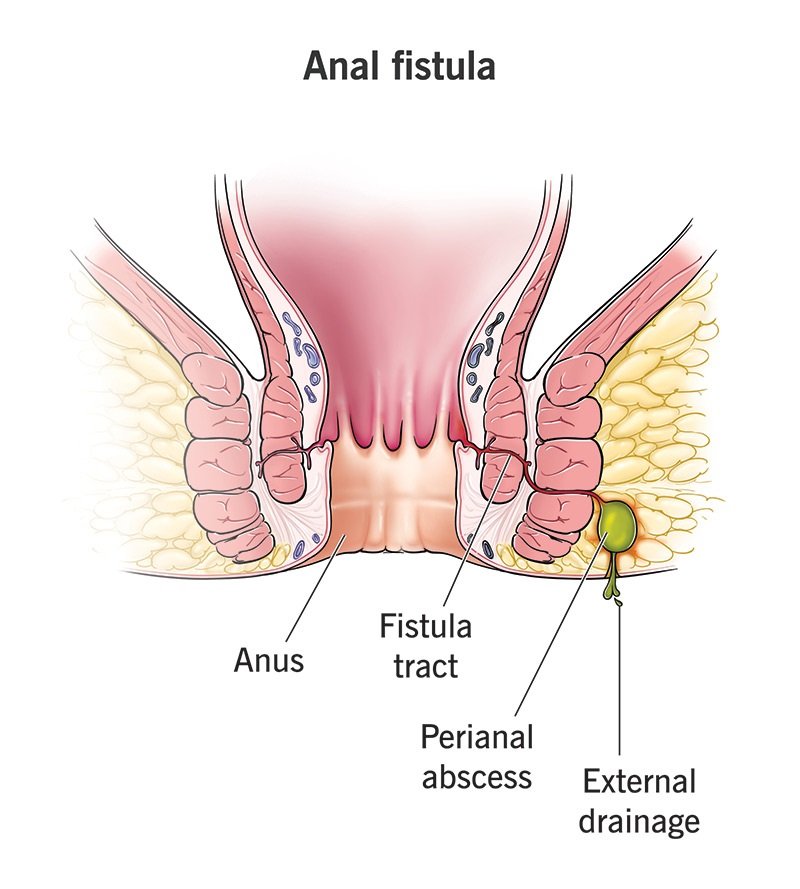
An anal fistula is an abnormal tunnel-like connection that develops between the inside of the anal canal and the skin near the anus. It usually forms as a result of an infection in one of the anal glands. When the infection leads to an abscess (a collection of pus), and the abscess does not heal properly, a small channel may remain, creating a fistula.
This condition can cause persistent pain, discharge, irritation, and recurrent infections if left untreated. Unlike minor anal conditions, fistulas usually do not heal on their own and often require specialized medical or surgical treatment.
Anal fistulas can vary in complexity—some are simple and straight, while others may branch into multiple channels, making treatment more challenging. Proper evaluation by the best fistula specialist in Kolkata is important for accurate diagnosis and effective treatment planning.
Symptoms of anal fistula can vary depending on the location and severity of infection. Common symptoms include:
Some patients may experience repeated episodes of pain and discharge, which often indicates an underlying fistula.
Anal fistulas usually develop after infection or inflammation in the anal glands. Common causes include:
The most common cause remains untreated or poorly healed anal abscesses.
Anal fistulas are classified depending on their path and complexity.
This is the most common type. The fistula tract runs between the internal and external anal sphincter muscles.
The tract passes through both sphincter muscles and opens onto the skin around the anus.
This type extends above the anal sphincter muscles before opening externally.
A rare and more complex fistula that extends from the rectum to the skin outside the anal area.
Multiple tracts or recurrent fistulas are considered complex and may require advanced surgical management.
Accurate classification is important because treatment differs depending on fistula type.
Certain factors increase the chances of developing anal fistula:
Recognizing risk factors early can help with prompt diagnosis and treatment.
To diagnose anal fistula, a detailed clinical evaluation is necessary. Dr. Soumya Banerjee performs careful examination and may recommend specific tests to determine the fistula’s course and complexity.
Common diagnostic methods include:
Inspection of the anal area helps identify external openings, swelling, discharge, or tenderness.
A gentle internal examination helps assess the tract and associated abnormalities.
Special instruments are used to view the anal canal and rectum.
MRI is highly effective for identifying deep or complex fistula tracts.
Anal ultrasound may be used in selected cases.
Used to detect infection or inflammation.
If inflammatory bowel disease is suspected, further gastrointestinal assessment may be needed.
Accurate diagnosis ensures the right treatment plan and lowers recurrence risk.
Treatment depends on fistula type, severity, and patient condition. Unlike some minor anorectal conditions, fistulas usually require procedural or surgical intervention.
If abscess or infection is present, initial drainage and antibiotics may be necessary.
A common surgical procedure where the fistula tract is opened and allowed to heal naturally.
A surgical thread is placed in complex fistulas to help drainage and gradual healing.
Modern surgical approaches aim to preserve sphincter function while treating the fistula effectively.
In selected patients, advanced minimally invasive techniques may be recommended.
Dr. Soumya Banerjee carefully evaluates each patient’s condition to recommend the most effective and safest treatment plan. His focus on precision, patient comfort, and long-term healing makes him a trusted choice for those seeking the best fistula treatment in Kolkata.
Living with anal fistula can be painful, frustrating, and emotionally stressful—but timely treatment can provide lasting relief. If you are experiencing recurrent anal pain, discharge, swelling, or infection, seeking consultation early is important. Dr. Soumya Banerjee is regarded by many patients searching for the best fistula surgeon in Kolkata, the best fistula specialist in Kolkata, and the best fistula treatment in Kolkata for his compassionate care, advanced surgical expertise, and commitment to delivering safe, effective, and patient-focused outcomes.
Our expert team is ready to discuss your specific condition and provide personalized recommendations.
Schedule Free Consultation