Laparoscopic Cholecystectomy: A Patient’s Complete Guide to Gallbladder Stone Surgery
Pain in the lower right side of the abdomen is something many people ignore initially. However, in some cases, it may be due to appendicitis, a condition that requires urgent medical attention and often surgery.
Modern laparoscopic surgery has made appendix removal safer, less painful, and associated with faster recovery. This guide explains everything patients should know about appendicitis and appendix surgery in simple language.
What Is the Appendix?
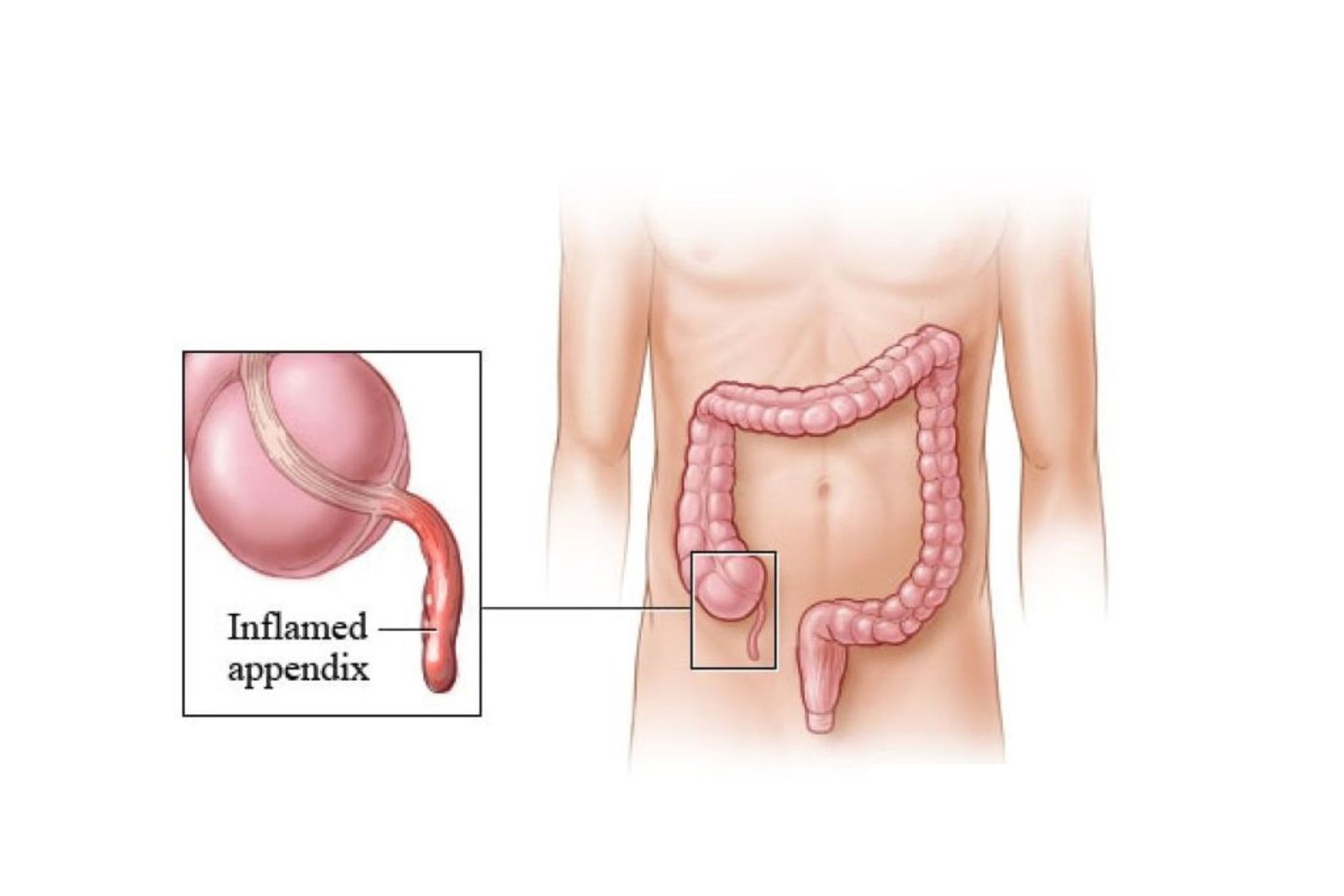
The appendix is a small finger-shaped pouch attached to the large intestine, located in the lower right side of the abdomen.
Although the appendix does not have a major role in day-to-day digestion, it can become inflamed or infected — a condition called appendicitis.
What Is Appendicitis?
Appendicitis occurs when the appendix becomes blocked and infected. If untreated, it can burst, leading to serious infection inside the abdomen.
Appendicitis is considered a surgical emergency.
Common Symptoms of Appendicitis
Typical Symptoms Include:
- Pain around the belly button that later shifts to the right lower abdomen
- Increasing abdominal pain
- Fever
- Nausea or vomiting
- Loss of appetite
- Difficulty walking due to pain
- Pain worsening while coughing or moving
- Children, elderly patients, and pregnant women may present differently.
When Should You Seek Emergency Medical Attention?
You should consult a surgeon immediately if:
- Abdominal pain is increasing rapidly
- Fever accompanies abdominal pain
- Vomiting persists
- Severe tenderness develops on the right lower side
- Pain becomes unbearable
Delay in treatment can lead to rupture of the appendix, which can be life-threatening.
How Is Appendicitis Diagnosed?
Doctors diagnose appendicitis using:
- Clinical examination
- Blood tests
- Ultrasound abdomen
- CT scan in selected cases
No single test alone confirms appendicitis in every patient. Diagnosis often depends on overall clinical assessment.
What Is Appendicectomy?
- Appendicectomy means surgical removal of the appendix.
- It is the standard and definitive treatment for appendicitis.
Types of Appendix Surgery
1. Laparoscopic Appendicectomy (Keyhole Surgery)
This is the modern and preferred method in most patients.
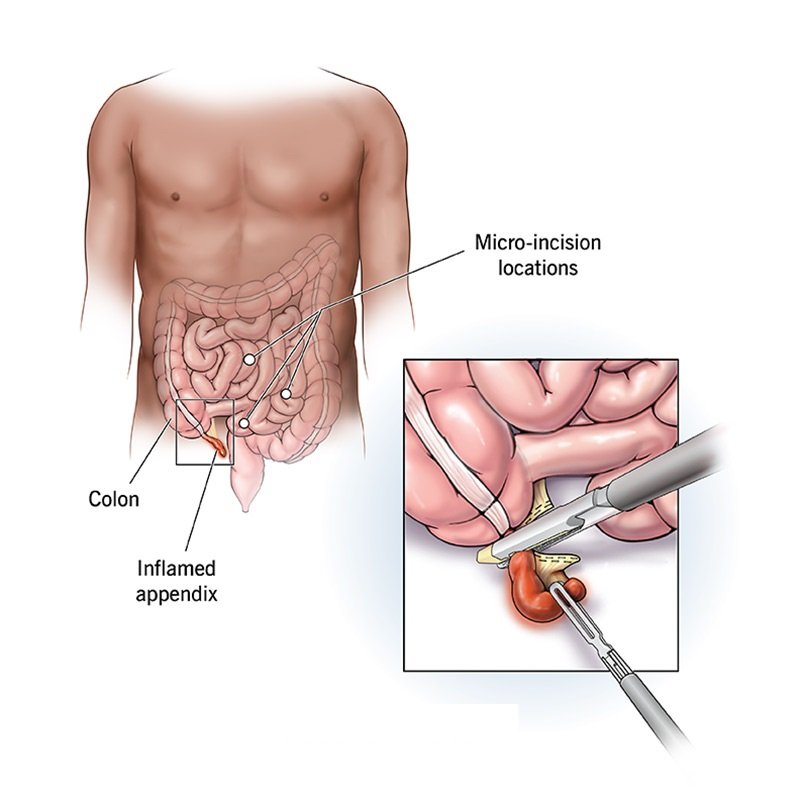
Small cuts are made in the abdomen, and surgery is performed using a camera and specialized instruments.
Advantages
- Less pain
- Smaller scars
- Faster recovery
- Early discharge
- Lower infection risk
- Better cosmetic results
2. Open Appendicectomy
In some complicated cases, a larger incision may be required.
This may be necessary in:
- Ruptured appendix
- Severe infection or abscess
- Dense adhesions
- Certain emergency situations
How Is Laparoscopic Appendix Surgery Performed?
Step-by-Step Overview
- Surgery is performed under general anesthesia.
- Small cuts are made in the abdomen.
- A camera is inserted.
- The inflamed appendix is identified.
- Blood supply is sealed and appendix removed.
- The appendix is taken out through a small incision.
- The surgery usually takes 30–60 minutes.
What Happens If the Appendix Bursts?
If appendicitis is untreated, the appendix may rupture.
This can cause:
- Pus formation
- Infection throughout the abdomen (peritonitis)
- Sepsis
- Longer hospitalization
- More complicated surgery
This is why early treatment is extremely important.
Recovery After Appendix Surgery
After Surgery, Most Patients:
- Start walking within hours
- Begin liquids early
- Go home within 24–48 hours
- Resume light activities within a few days
Recovery Timeline
Activity Approximate Time
- Walking Same day
- Normal diet Within 1–2 days
- Office work 5–7 days
- Heavy lifting 3–4 weeks
Recovery may take longer if the appendix had ruptured.
- Diet After Appendix Surgery
- Recommended Initially
- Soft light diet
- Adequate fluids
- Small frequent meals
- Avoid Initially
- Excess oily food
- Heavy spicy meals
- Alcohol
- Smoking
- Gradually, patients return to normal diet.
Possible Risks and Complications
Appendix surgery is generally very safe, but possible complications include:
- Wound infection
- Bleeding
- Pus collection
- Bowel injury (rare)
- Ileus (temporary sluggish bowel)
- Hernia at port site (rare)
These risks are significantly lower with experienced laparoscopic surgical care.
Frequently Asked Questions (FAQs)
Can appendicitis be treated only with medicines?
Some selected mild cases may temporarily improve with antibiotics, but surgery remains the definitive treatment in most patients.
Is appendix surgery major surgery?
Laparoscopic appendicectomy is considered minimally invasive and commonly performed safely worldwide.
Will digestion be affected after removing the appendix?
No. Most patients live completely normal lives after appendix removal.
Can appendicitis happen again after surgery?
No. Once the appendix is removed, appendicitis cannot recur.
Will there be scars?
Laparoscopic surgery leaves only tiny scars.
Warning Signs After Surgery
Contact your surgeon immediately if you develop:
- High fever
- Increasing abdominal pain
- Persistent vomiting
- Pus discharge from wound
- Severe abdominal swelling
- Breathing difficulty
Final Words
Appendicitis is one of the most common emergency surgical conditions. Early diagnosis and timely surgery prevent dangerous complications and ensure faster recovery.
Laparoscopic appendicectomy has transformed appendix surgery by offering smaller scars, less pain, and early return to normal life.
If you or your family member experiences severe abdominal pain, especially on the right lower side, do not ignore it. Early surgical consultation can prevent serious complications.