Laparoscopic Cholecystectomy: A Patient’s Complete Guide to Gallbladder Stone Surgery
Gallbladder stones are one of the most common surgical problems seen today. Many patients experience abdominal pain, bloating, nausea, or repeated attacks after meals without realizing that gallstones may be the cause. Fortunately, modern minimally invasive surgery has made treatment safer, faster, and far less painful than traditional open surgery.
In this article, we will explain everything you need to know about Laparoscopic Cholecystectomy in simple language.
What Is the Gallbladder?
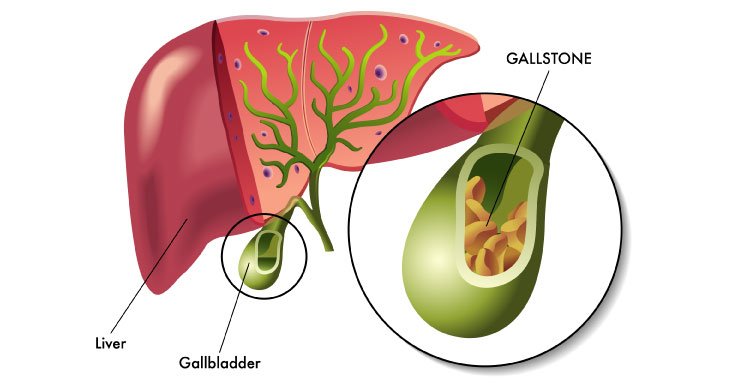
The gallbladder is a small pear-shaped organ located below the liver on the right side of the abdomen. Its function is to store bile, a digestive fluid produced by the liver that helps digest fats.
Sometimes, small hard deposits called gallstones form inside the gallbladder. These stones may remain silent or may cause pain and complications.
What Are Gallstones?
Gallstones are stone-like deposits formed from cholesterol, pigments, or bile salts.
Common Symptoms of Gallstones
- Pain in the upper right abdomen
- Pain after eating oily or spicy food
- Nausea or vomiting
- Bloating or indigestion
- Pain radiating to the back or right shoulder
- Fever during infection
- Some patients may have gallstones detected incidentally during ultrasound without symptoms.
When Is Surgery Needed?
Surgery is usually advised when gallstones cause symptoms or complications.
Indications for Gallbladder Surgery
- Recurrent abdominal pain
- Acute cholecystitis (infection of gallbladder)
- Gallstone pancreatitis
- Jaundice due to stones
- Gallbladder polyps
- Porcelain gallbladder
- Recurrent vomiting or indigestion due to stones
The standard treatment is Laparoscopic Cholecystectomy, meaning removal of the gallbladder using keyhole surgery.
What Is Laparoscopic Cholecystectomy?
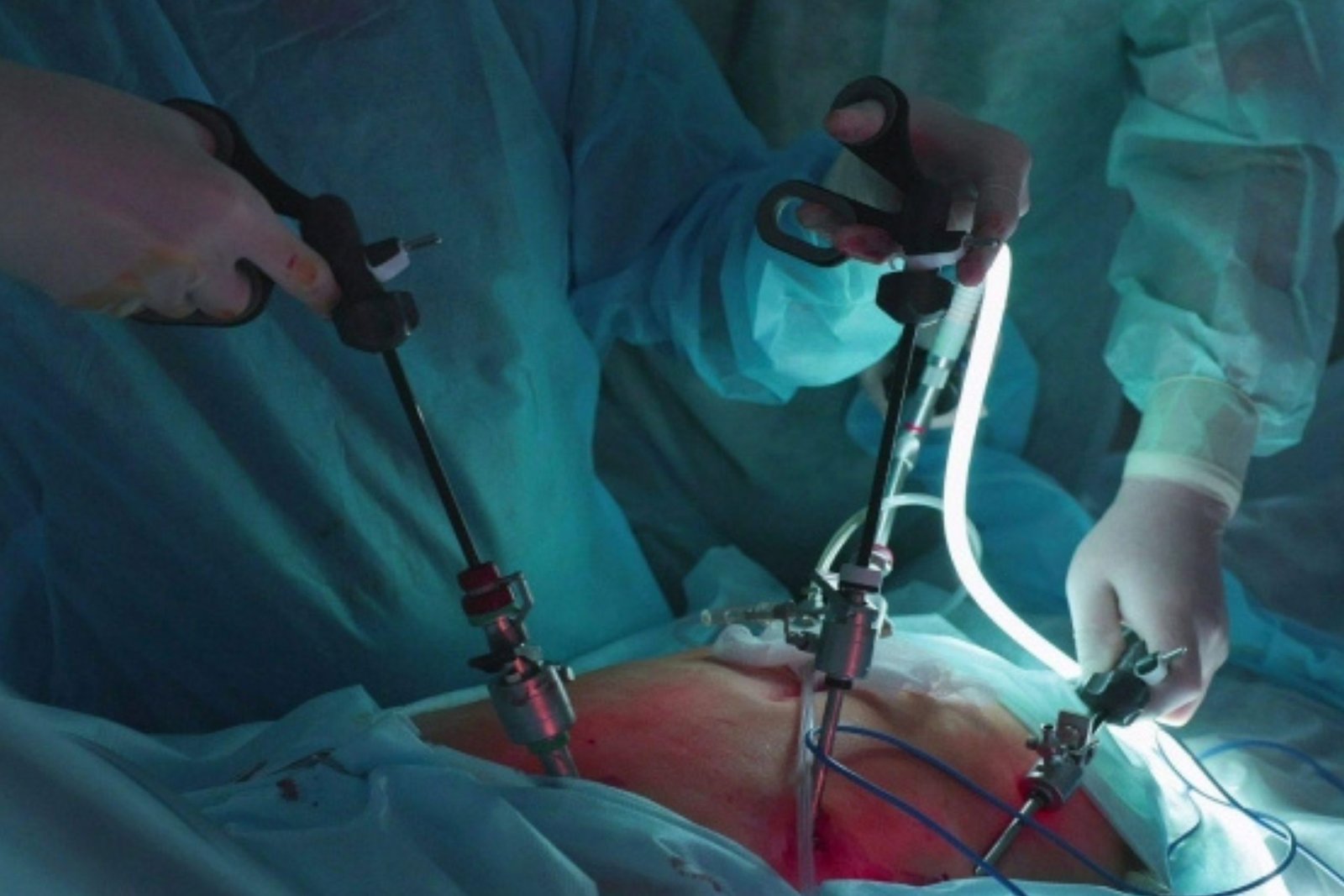
Laparoscopic cholecystectomy is a minimally invasive surgery in which the gallbladder is removed through small cuts in the abdomen using a camera and specialized instruments.
Instead of one large incision, the surgeon usually makes 3–4 tiny cuts.
Advantages of Laparoscopic Surgery
Compared to Open Surgery, Patients Benefit From:
- Smaller scars
- Less pain
- Faster recovery
- Early walking and feeding
- Short hospital stay
- Lower risk of wound infection
- Faster return to work
This is now considered the gold standard treatment for gallbladder stones worldwide.
How Is the Surgery Performed?
Step-by-Step Overview
- The surgery is performed under general anesthesia.
- Small cuts are made in the abdomen.
- Carbon dioxide gas is introduced to create working space.
- A camera (laparoscope) is inserted.
- The gallbladder is carefully separated from surrounding structures.
- The cystic duct and artery are clipped and divided.
- The gallbladder is removed through one of the small incisions.
The procedure usually takes around 30–90 minutes, depending on the severity of inflammation and adhesions.
Is Gallbladder Removal Safe?
Yes. Laparoscopic cholecystectomy is one of the most commonly performed and safest abdominal surgeries.
Most patients recover smoothly without major issues. However, like all surgeries, there are some potential risks.
Possible Complications
- Bleeding
- Infection
- Bile leak
- Injury to bile duct or intestine
- Conversion to open surgery in difficult cases
An experienced laparoscopic surgeon helps minimize these risks significantly.
Recovery After Surgery
What to Expect After Surgery
- Walking usually starts within a few hours
- Liquid diet is started early
- Most patients go home within 24 hours
- Mild shoulder pain due to gas may occur temporarily
- Normal daily activities can usually resume within a few days
Return to Work
- Desk work: 3–5 days
- Moderate activity: 1–2 weeks
- Heavy lifting: Usually after 3–4 weeks
Life Without a Gallbladder
Many patients worry whether digestion will be affected permanently.
The good news is that the liver continues producing bile normally even after gallbladder removal. Most patients live completely normal lives without dietary restrictions in the long term.
Some patients may experience temporary loose motions or bloating initially, which usually improves over time.
Diet After Gallbladder Surgery
- Recommended Initially
- Light meals
- Low oily food
- Adequate hydration
- Small frequent meals
- Avoid for Initial Few Weeks
- Very oily food
- Heavy spicy meals
- Excess alcohol
- Overeating
- Gradually, most patients can return to a normal balanced diet.
Frequently Asked Questions (FAQs)
Will gallstones dissolve with medicine?
Most gallstones do not dissolve permanently with medicines. Surgery remains the definitive treatment for symptomatic gallstones.
Can stones come back after surgery?
Once the gallbladder is removed, gallbladder stones cannot recur.
Is laser used in gallbladder surgery?
No. Standard laparoscopic instruments are used, not lasers.
Is the surgery painful?
Pain is usually mild to moderate and much less compared to open surgery.
Will there be large scars?
No. Only tiny keyhole scars remain.
When Should You Consult a Surgeon?
You should seek medical attention if you experience:
- Repeated right upper abdominal pain
- Fever with abdominal pain
- Vomiting
- Jaundice
- Severe bloating after meals
Early treatment prevents complications and emergency surgery.
Final Words
Laparoscopic cholecystectomy has revolutionized the treatment of gallbladder stones by offering a safe, minimally invasive, and effective solution with rapid recovery.
If you are suffering from recurrent abdominal pain or diagnosed gallstones, timely consultation with an experienced laparoscopic surgeon can help you recover quickly and return to normal life comfortably.